Osh Bazaar Secrets: What Locals Won’t Tell You About Shopping in Kyrgyzstan
Stepping into Osh’s bustling market scene feels like unlocking a hidden chapter of Central Asia. It’s not just about buying souvenirs—it’s about reading textures, negotiating with smiles, and finding treasures in plain sight. I learned fast: the real magic isn’t in what you buy, but how you shop. Let me show you the moves that turned my chaotic first day into a smooth, joyful hunt. More than a marketplace, Osh Bazaar is a living archive of tradition, trade, and human connection. For travelers seeking authenticity, it offers a rare chance to engage with Kyrgyz culture not as spectators, but as participants.
Arriving in Osh: First Impressions of a Market-Driven City
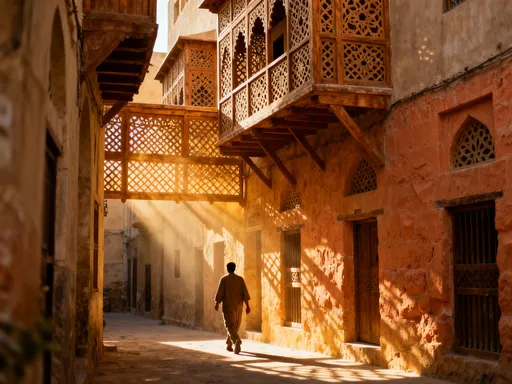
Osh, often called the 'southern capital' of Kyrgyzstan, pulses with a rhythm shaped by centuries of commerce. Nestled at the base of the Fergana Valley and overlooked by the sacred Sulayman-Too mountain, the city has long been a crossroads for traders, pilgrims, and travelers moving across Central Asia. Unlike Bishkek, where Soviet-era planning and modern cafes dominate, Osh retains a more organic, layered character—one where daily life unfolds in the open air of its markets. The heart of it all is the sprawling Osh Bazaar, a labyrinth of stalls stretching across several city blocks, where the scent of cumin and freshly baked non (flatbread) drifts through narrow alleys packed with people, produce, and possibility.
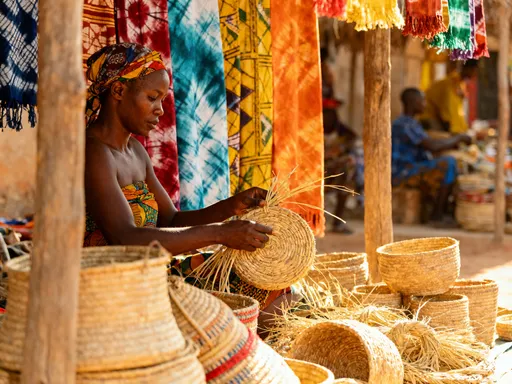
From the moment you step inside, the bazaar engages all the senses. Brightly dyed wool carpets drape over wooden frames. Pyramids of walnuts, dried apricots, and crimson kurut (dried yogurt balls) rise from woven baskets. Vendors call out in Kyrgyz, Uzbek, and Russian, their voices blending with the hum of haggling and the occasional bleat of a goat being led to market. It can feel overwhelming—colors blur, sounds collide, and the lack of clear signage might leave you disoriented. But this is not a flaw; it’s part of the experience. The bazaar does not cater to tourists with neatly labeled sections or fixed prices. Instead, it invites you to slow down, observe, and learn. Here, shopping is not a transaction but a conversation, and every interaction carries the weight of cultural exchange.
For visitors, especially women between 30 and 55 who value meaningful travel experiences, Osh Bazaar offers something rare: authenticity. There are no souvenir shops selling mass-produced trinkets from China. Instead, you’ll find handmade goods passed down through generations—felted wool crafts, hand-embroidered textiles, and wooden kitchenware carved from local walnut trees. The market is not staged for cameras; it serves the local community first. This means that while the experience may feel unpolished, it is profoundly real. By choosing to engage with the bazaar on its own terms, you gain access to a deeper understanding of Kyrgyz life—one that goes far beyond guidebooks.
Understanding the Heartbeat: How Osh Bazaars Operate Differently
To navigate Osh Bazaar successfully, you must first understand its rhythm. Unlike Western markets that operate on strict schedules, the bazaar follows a more fluid, organic pattern shaped by seasons, weather, and daily routines. Most vendors arrive early—often before sunrise—setting up their stalls by 7 a.m. The market is busiest between 9 a.m. and 2 p.m., when local families come to buy fresh meat, dairy, and produce for the day. By late afternoon, foot traffic slows, and some sellers begin packing up, especially those with perishable goods. Weekends, particularly Sundays, see the highest volume of visitors, including rural families who travel into the city to sell or shop.
One of the most important things to grasp is that there is no formal pricing structure. You will rarely see price tags, and even when a vendor quotes a number, it’s understood that negotiation is expected. This isn’t a sign of distrust or deception—it’s a cultural norm. Bargaining is not just about saving money; it’s a social ritual that builds rapport between buyer and seller. Refusing to haggle might even be seen as odd or disrespectful. The absence of fixed prices also reflects the informal economy that sustains much of daily life in Kyrgyzstan. Many vendors are small-scale producers or family-run operations who rely on daily sales to support their households. Their prices often reflect not just the cost of goods, but the time, labor, and personal connection involved in creating them.
Another key difference is the way sections of the market are organized—not by official zoning, but by tradition and convenience. While certain areas naturally cluster similar goods, such as textiles near the center or livestock on the outskirts, the layout can shift from day to day. New vendors may appear in different spots, or entire rows might be rearranged after holidays or seasonal changes. This fluidity can be confusing at first, but it also creates opportunities. By returning to the same area over multiple visits, you begin to recognize familiar faces and learn where to find what you’re looking for. Patience and observation are your most valuable tools. Rushing through the market or expecting a predictable structure will only lead to frustration. Instead, allow yourself to wander, watch, and absorb the flow of life around you.
Mastering the Art of the Haggling Dance
Haggling in Osh Bazaar is less about winning and more about connecting. It’s a dance of smiles, pauses, and subtle cues—one that requires respect, timing, and a bit of courage. The goal is not to drive the price down to nothing, but to reach a fair agreement that leaves both parties feeling satisfied. Start with a smile and a simple greeting like salam (hello) or isheńiz kandaysyz? (how are you?). This small gesture sets a positive tone and signals that you’re approaching the interaction with warmth, not confrontation.
When it comes to pricing, a good rule of thumb is to begin at around 50% of the initial quote. If a vendor says a handwoven scarf costs 1,000 som, respond with 500 som. Don’t be surprised if they laugh or act shocked—this is part of the ritual. Stay calm, repeat your offer, and show genuine interest in the item. You might say, Bu kandyk? (Is this handmade?) or Oilik chygarmasybyz? (Is it from your home?). These questions show you value the craftsmanship and care behind the product, not just the price. Often, this acknowledgment softens the vendor’s stance and opens the door to compromise.
Carry small denominations of Kyrgyz som—100, 200, and 500 notes—so you can make precise offers and avoid giving too much in one go. If the vendor won’t budge, don’t push. Thank them politely and walk away. In many cases, they’ll call you back with a better offer. I once walked away from a pair of felted slippers priced at 800 som, offered 400, and was stopped just five stalls later with a call of 500 som, janybyz! (500, dear!). We settled on 450, and the vendor even threw in a small wool keychain as a goodwill gift. These moments of connection are what make haggling rewarding—not just the savings, but the shared laughter and mutual respect.
What to Buy (and What to Skip): A Local-Approved Checklist
With so much on display, knowing what to focus on—and what to avoid—can make all the difference. The most authentic and meaningful purchases in Osh Bazaar are those made by local hands using traditional methods. Among the top items worth seeking are shyrdaks, colorful felt rugs hand-stitched by Kyrgyz women using centuries-old techniques. Each pattern carries symbolic meaning—rams’ horns for strength, tulips for spring, and geometric motifs passed down through generations. These are not just decorative; they are cultural artifacts that tell stories of family, identity, and heritage.
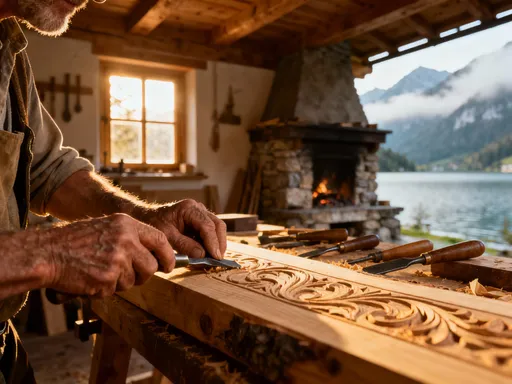
Equally valuable are handmade wool slippers, known as ichik, crafted from layers of felt and often embroidered with floral designs. Warm, durable, and deeply personal, they make thoughtful gifts or cherished keepsakes. Walnut wood items are another standout. Kyrgyz artisans carve spoons, bowls, and boxes from the rich, dark wood of wild walnut trees found in the Arslanbob region. These pieces are not only beautiful but practical, ideal for serving tea or storing spices. Raw silk scarves, hand-dyed with natural pigments like madder root or onion skins, offer a lightweight yet luxurious option. Look for slight imperfections in the weave—they’re a sign of authenticity, not poor quality.
On the other hand, be cautious of items that look too perfect or too familiar. Mass-produced souvenirs—plastic magnets, machine-embroidered tablecloths, or factory-made jewelry—often come from abroad and are falsely marketed as local crafts. One way to verify authenticity is to ask the vendor, “Is this made by your family?” or “Did you make this yourself?” Many genuine artisans will proudly confirm they did, and some may even show you photos of their workshop or family members at work. If the answer is vague or the vendor changes the subject, it’s likely the item is imported. By choosing handmade, locally produced goods, you support real families and help preserve traditional skills that might otherwise fade.
Navigating Sections Like a Pro: Mapping the Market’s Hidden Logic
While Osh Bazaar may seem chaotic at first glance, it does follow an internal logic—one that becomes clearer with time and attention. The market is loosely divided into zones, though these are not marked on any official map. The central corridor is typically reserved for textiles and crafts, where you’ll find rows of wool carpets, embroidered dresses, and silk scarves draped over wooden racks. This area tends to be the most crowded, especially in the morning, but it’s also where the highest concentration of skilled artisans can be found.
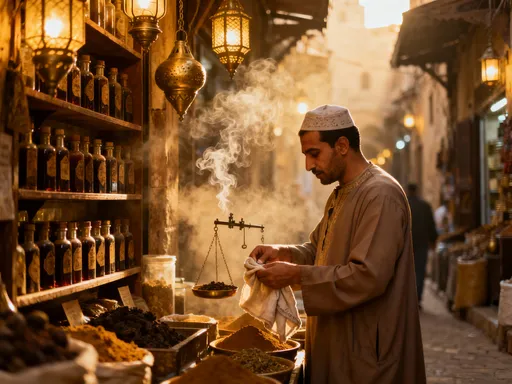
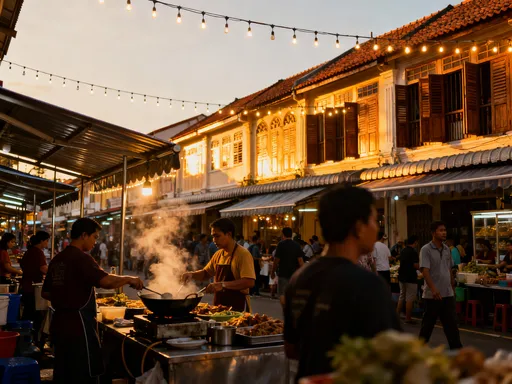
Move toward the outer edges, and you’ll encounter the dry goods section—stacks of spices in burlap sacks, glass jars of honey, and baskets of dried herbs. This is an excellent place to sample and purchase edible souvenirs. Look for deep red sumac, golden saffron threads, and whole coriander seeds, all used in traditional Kyrgyz cooking. Prices are often lower here than in the center, and vendors may be more willing to offer samples or discounts if you show interest. The food stalls, clustered near the southern entrance, serve steaming bowls of laghman (hand-pulled noodle soup) and fresh samsa (meat pies) baked in clay ovens. Grabbing a midday meal here is not just practical—it’s a way to rest, observe, and soak in the atmosphere.
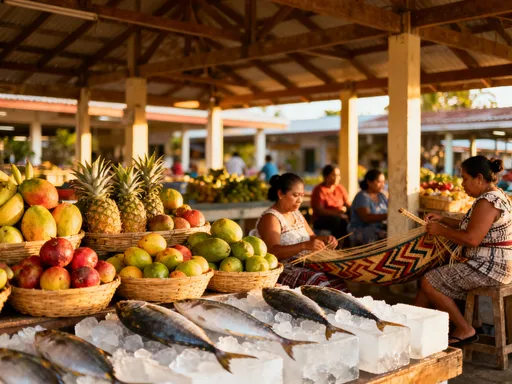
One of the best-kept secrets is to visit later in the day, around 4 or 5 p.m., when vendors begin preparing to close. With less foot traffic, they’re often more open to negotiation and may offer significant discounts to avoid carrying unsold goods home. Early mornings, on the other hand, are ideal for fresh produce—plump tomatoes, fragrant melons, and crisp greens delivered from nearby farms. By adjusting your timing, you can access different facets of the market experience. And don’t be afraid to explore the quieter side alleys. These less-trafficked areas often house older vendors or family-run stalls where prices are fairer and interactions more personal.
Connecting Beyond the Transaction: Why Relationships Matter More Than Receipts
In Osh Bazaar, shopping is not a one-time event—it’s a process built on trust and repetition. Some of my most memorable experiences came not from purchases, but from moments of human connection. I’ll never forget the elderly woman who, after I bought a shyrdak from her, invited me to sit on a low stool and share a cup of green tea. We didn’t speak the same language, but she pointed to the patterns on the rug, mimed the motions of felting wool, and smiled as I tried to repeat Kyrgyz words she taught me. That simple exchange transformed the rug from a souvenir into a story—a memory woven into its very fibers.
These connections don’t happen overnight, but they grow with each visit. Returning to the same stall, remembering a vendor’s name, or greeting them with a simple kuandym (I’m happy to see you) builds goodwill. Over time, you may be offered first look at new arrivals, invited to taste homemade jam, or given a small gift “just because.” These gestures are not transactional; they are expressions of hospitality, a core value in Kyrgyz culture. For women travelers, especially those seeking meaningful engagement, these moments offer a rare sense of belonging—a feeling of being seen not as a tourist, but as a guest.
Learning a few basic phrases in Kyrgyz goes a long way. Simple words like rahat (thank you), jeeksi (excuse me), and kaygysyz? (how much?) open doors and show respect. Even if your pronunciation is imperfect, the effort is appreciated. Vendors often respond with patience, laughter, and gentle corrections. These small exchanges create a bridge between worlds, turning a routine purchase into a shared moment of joy. In a world where travel can sometimes feel rushed and superficial, Osh Bazaar reminds us that the slow, relational approach is often the most rewarding.
Bringing It Home: Packing, Declaring, and Sharing Your Finds
Once you’ve made your selections, the next step is bringing them home with care. Many of the items you’ll find—felt rugs, wooden carvings, silk scarves—are durable, but they still require thoughtful packing. Wrap shyrdaks and textiles in clean cotton cloth or tissue paper to prevent dust and friction. Place wooden items in padded boxes or wrap them in soft fabric to avoid scratches. For fragile pieces, like hand-painted ceramic bowls, use bubble wrap and secure them in the center of your suitcase, surrounded by soft clothing for extra cushioning.
When traveling internationally, be aware of customs regulations. While most handmade goods are allowed, some countries have restrictions on raw wool, animal products, or plant-based materials. Declare your purchases honestly and keep receipts if available—though in many cases, you’ll receive a simple handwritten note or nothing at all. If questioned, explain that the items are handmade souvenirs for personal use. Most officials respond positively when they understand the cultural significance behind your purchases.
Perhaps the most important step is sharing the story behind your finds. When you gift a felted slipper or display a shyrdak in your home, take a moment to tell where it came from, who made it, and how you found it. This transforms the object from a decoration into a conversation starter—a way to honor the craftswoman in Osh who spent weeks felting wool by hand, or the woodcarver who shaped a spoon with tools passed down from his father. In doing so, you extend the spirit of the bazaar far beyond its borders, turning your journey into a lasting act of cultural appreciation.
Conclusion: From Tourist to Savvy Explorer – The Real Win in Osh
Shopping in Osh Bazaar is not about collecting things—it’s about collecting moments. The real victory isn’t getting the lowest price or finding the rarest item. It’s learning to move through the market with curiosity, respect, and openness. It’s discovering that a simple exchange of words over tea can be more valuable than any purchase. For women who travel not just to see, but to understand, Osh offers a rare gift: the chance to connect deeply with a culture through the quiet dignity of handmade crafts and human warmth.
By mastering the rhythm of the bazaar—its timing, its language, its unspoken rules—you transform from a tourist into a thoughtful explorer. You learn that value isn’t measured in soms, but in stories. That the best souvenirs aren’t the ones you buy, but the ones you earn through patience, kindness, and genuine engagement. And in a world that often feels fast and disconnected, Osh Bazaar stands as a reminder that the most meaningful journeys are the ones that slow us down, open our hearts, and teach us to see beauty in the everyday.