Roto Rants: What No One Tells You About Eating in Rotorua
You know that excited feeling when you land in a new place and your stomach’s already planning the first meal? Yeah, I felt that in Rotorua—until I learned the hard way. Some eats were mind-blowing, others? Total scams. Let me save you the heartburn. This isn’t just about food; it’s about surviving the tourist traps and finding real flavor beneath the geothermal steam. Rotorua, with its bubbling mud pools and rich Māori heritage, promises an unforgettable experience, especially at the table. But not every restaurant lives up to the region’s potential. The truth is, dining here can be as unpredictable as the geysers—thrilling when it works, deeply disappointing when it doesn’t. This guide is for travelers who want authenticity, value, and flavor without falling into the all-too-common culinary pitfalls.
First Impressions & Food Expectations in Rotorua
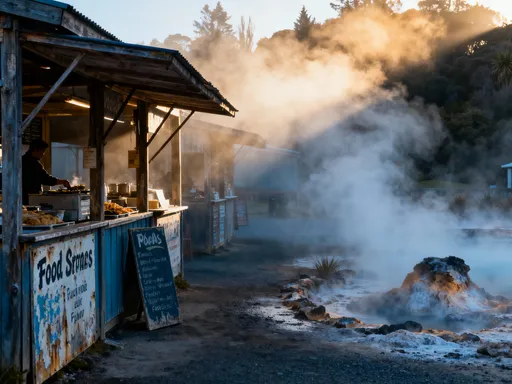
Arriving in Rotorua, the first thing you notice isn’t the skyline or the streets—it’s the smell. A faint, earthy tang of sulfur lingers in the air, a constant reminder that you’re standing atop one of the world’s most active geothermal zones. Steam rises from cracks in footpaths, hot springs bubble behind safety rails, and the landscape feels alive. It’s no wonder visitors expect something equally dynamic from the food. There’s a natural assumption that if the land cooks from within, the cuisine must reflect that power—rich, unique, steeped in tradition. And to some extent, that’s true. But expectations can mislead.
Many tourists arrive anticipating a feast of traditional Māori food, particularly hāngi, where meat and vegetables are slow-cooked in an earth oven using heated rocks. The idea is captivating: food infused with the essence of the land, prepared as it has been for generations. That image—smoky, communal, deeply cultural—is powerful. But it’s also romanticized. While hāngi is real and available, it’s not served at every corner café. Too often, first-time visitors order a “traditional platter” at a downtown bistro only to find lukewarm meat, canned vegetables, and a side of confusion. The disconnect between expectation and reality can be jarring.
The confusion is compounded by Rotorua’s dual identity as both a cultural hub and a tourist hotspot. Restaurants near major attractions often prioritize convenience over authenticity, offering menus that look Kiwi but taste generic. Dishes like lamb chops, fish and chips, or pavlova appear everywhere, but without a sense of place. The result? A culinary experience that feels interchangeable with any other tourist town. The excitement of eating in a geothermal wonderland fades when your meal could have been served in a suburban strip mall. Understanding this gap—between what Rotorua could offer and what many places actually deliver—is the first step toward eating well here.
The Tourist Trap Trap: When Location Overpowers Quality
It’s a universal travel rule: the closer a restaurant is to a major attraction, the higher the price and the lower the quality. Rotorua is no exception. Places near Te Puia, the Redwoods, or the Government Gardens benefit from constant foot traffic, allowing them to thrive without earning loyalty through great food. You’ll find cafés and restaurants with wide patios, colorful signage, and menus promising “authentic New Zealand flavors.” But scratch the surface, and the experience often falls flat.
One common issue is menu inflation—both in price and description. A simple bowl of soup might be labeled “artisanal forest broth with locally foraged herbs” and priced at $22, while delivering little more than salty stock with overcooked carrots. Entrées like “Māori-inspired slow-roasted lamb” sound promising but taste like reheated catering food. Portions may be large, but size doesn’t equal satisfaction. Many of these spots rely on frozen ingredients, pre-made sauces, and minimal kitchen skill, banking on tourists who won’t return to compare notes.
Another red flag is the lack of cultural specificity. “Kiwi-style” becomes a catch-all term for anything vaguely Australasian—meat, potatoes, and a salad on the side. You’ll see “hangi pie” on menus, which is not a traditional dish but a modern invention designed to sound authentic. These are not malicious acts, but they do reflect a broader trend: the commodification of culture for quick sales. The problem isn’t that these places serve bad food across the board—it’s that they offer a diluted version of what Rotorua truly has to offer.
The price-to-taste ratio in these locations is often unbalanced. A family of four can easily spend over $100 on a meal that leaves everyone underwhelmed. Meanwhile, just a ten-minute drive away, local diners serve better food for half the price. The takeaway is simple: convenience comes at a cost. If you’re dining within 500 meters of a major attraction, approach with caution. Read recent reviews, check for mentions of “local sourcing” or “homemade,” and don’t be swayed by aggressive signage or outdoor heaters. Great food in Rotorua requires a bit of effort—and that effort usually means moving beyond the postcard view.
Decoding the Māori Dining Experience: Authentic vs. Staged
One of Rotorua’s greatest culinary draws is the opportunity to experience Māori hospitality through food. But not all cultural dining experiences are created equal. The difference between an authentic hāngi and a staged dinner show lies in intention, context, and community involvement. Recognizing that difference is essential for respectful and meaningful travel.
Authentic Māori dining is rooted in whanaungatanga—relationship, connection, and kinship. It’s not just about eating; it’s about gathering, storytelling, and sharing. At a genuine community-led hāngi, you might be welcomed with a pōwhiri (traditional greeting), seated in a marae (meeting ground), and served food that has been prepared with ritual and care. The meat is tender, the vegetables sweet from hours of earth-cooking, and the kūmara (sweet potato) carries a smoky depth you won’t find anywhere else. More importantly, the experience feels personal. Elders may speak, songs may be sung, and visitors are treated as honored guests, not customers.
In contrast, commercial cultural dinners—often held in large auditorium-style venues—can feel transactional. While they may include performances of haka or waiata (songs), the food is sometimes pre-cooked offsite and plated in bulk. The narrative may be simplified for tourist consumption, and the connection to the local iwi (tribe) can be tenuous. These events aren’t inherently bad; they provide employment and cultural exposure. But they shouldn’t be mistaken for deep cultural immersion.
So how do you tell the difference? Look for signs of community ownership. Is the event hosted by a specific iwi or Māori-owned business? Are proceeds reinvested locally? Is there an opportunity for interaction, not just observation? Smaller, booking-required hāngi experiences—such as those offered by local guides or eco-tourism operators—tend to be more intimate and respectful. They may cost slightly more, but they offer far greater value in authenticity. When done right, sharing a meal in this way isn’t just dining—it’s an act of cultural exchange that honors both visitor and host.
Hidden Gems: Where Locals Actually Eat
If you want to eat like a Rotorua local, you need to step away from the steam vents and souvenir shops. The city’s true culinary heart beats in its neighborhoods—Fenton Street, Eat Street, and the quieter lanes near Lake Rotorua’s eastern shore. These are the places where residents grab lunch between shifts, meet friends after work, or treat the family on a Saturday night. They don’t always have flashy signs or online ads, but they have something better: consistency, flavor, and pride in their craft.
Fenton Street, in particular, has undergone a renaissance. Once overlooked, it’s now home to a growing number of independent eateries that reflect Rotorua’s evolving food scene. You’ll find small bistros serving modern takes on Kiwi classics—free-range pork belly with apple glaze, green-lipped mussels in white wine sauce, or fresh crayfish tails grilled to order. What sets these places apart is their sourcing. Many work directly with local farms, fisheries, and orchards, ensuring ingredients are not only fresh but tied to the region’s identity.
Another highlight is the Pacific Island influence in Rotorua’s casual dining. With a strong Samoan, Tongan, and Cook Islands community, the city offers flavorful fusion spots where coconut, taro, and tropical fruits meet New Zealand lamb and seafood. A simple takeaway shop might serve oka (Tongan raw fish salad) alongside beef pies, or offer panikeke (Samoan fried bread) as a sweet treat. These combinations aren’t gimmicks—they’re reflections of lived culture and everyday life in a diverse town.
Don’t overlook the modest cafés and bakeries tucked into side streets. A family-run spot might offer homemade sausage rolls with a secret spice blend, or a daily special of kūmara and coconut soup. These places often fly under the radar of review sites but are packed with regulars who know quality when they taste it. Visiting them isn’t just about food—it’s a quiet way to connect with the community. A smile, a “thank you,” and a willingness to try something new go a long way. The best meals in Rotorua aren’t always the most advertised; they’re the ones shared in unassuming rooms with checkered tablecloths and the hum of local conversation.
Breakfast & Coffee: Starting Right in a Volcanic Town
How you start your day in Rotorua can set the tone for the entire trip. Fortunately, the city’s café culture has matured in recent years, offering more than just toast and instant coffee. There’s now a strong emphasis on quality brews, seasonal ingredients, and hearty meals that fuel a day of exploring geothermal parks and forest trails. But not every breakfast spot delivers on its promise.
A common trap is the oversized, low-effort breakfast plate. Some cafés serve massive platters loaded with bacon, eggs, hash browns, and toast—designed to impress on Instagram but lacking in freshness. Often, the eggs are scrambled in bulk, the bacon is rubbery, and the coffee is weak and lukewarm. These meals may fill you up, but they leave you sluggish, not energized. The problem is especially pronounced near hotels and motels, where guests have limited options and little incentive for the kitchen to improve.
The better choice is to seek out cafés known for their coffee and kitchen integrity. Rotorua has several specialty roasters who source beans ethically and brew with care. A flat white made with local milk and a smooth, balanced espresso can be a revelation. Pair it with a breakfast bowl featuring poached eggs, avocado, and heirloom tomatoes from a nearby farm, and you’ve got a meal that feels both nourishing and intentional.
Look for places that highlight their suppliers on the menu—names like “Tikitere Valley eggs” or “Ngongotahā greens.” These details signal transparency and pride. Some cafés even host weekend markets where farmers and bakers sell directly to the public. Arriving early on a Saturday morning, you might find fresh bread, homemade jams, and hot porridge with honey and fruit—all served with genuine warmth. Starting your day like this doesn’t just taste better; it connects you to the rhythm of local life. In a town shaped by volcanic energy, there’s something poetic about fueling yourself with food that’s equally alive with flavor.
Dining with Dietary Needs: Navigating Allergies and Preferences
For travelers with dietary restrictions—whether due to allergies, health needs, or personal choices—eating out in a new place can feel like a gamble. Rotorua, while improving, still presents challenges in this area. Traditional Māori and Kiwi cuisine often centers around meat, dairy, and gluten, making it harder for vegetarians, vegans, or those avoiding common allergens to find satisfying options. The good news is that awareness is growing, and more restaurants are adapting.
In tourist-heavy areas, the approach to dietary needs is often inconsistent. Some menus list vegan or gluten-free options, but these may be limited to a single dish—like a basic salad or a store-bought wrap. In other cases, staff may not fully understand what “gluten-free” means, risking cross-contamination in the kitchen. This isn’t due to negligence, but to limited training and high turnover in seasonal hospitality jobs. The result can be anxiety for diners who need to be cautious.
The more encouraging trend is in Rotorua’s independent cafés and smaller restaurants. Many of these places take pride in accommodating special requests. A chef might prepare a custom tofu stir-fry with local vegetables, or offer a gluten-free version of a popular dessert made in-house. These spots often ask detailed questions to ensure safety, showing a level of care that goes beyond compliance. They may not have formal certifications, but their willingness to listen and adapt makes all the difference.
For travelers with dietary needs, the key is preparation and communication. Research ahead of time using platforms like HappyCow or Allergy Certified NZ. Call ahead if you’re unsure—many smaller eateries are happy to discuss ingredients. When you’re at the table, be polite but specific. Instead of saying “I’m allergic,” explain what you can’t eat and ask how the dish is prepared. Most staff appreciate the clarity and want to help. With a little planning, even those with strict diets can enjoy Rotorua’s evolving food scene without compromise.
Final Bite: How to Eat Smart in Rotorua
Eating well in Rotorua doesn’t require a gourmet palate or a luxury budget—it requires awareness. The city’s culinary landscape is layered, with tourist-driven convenience on the surface and authentic, community-rooted experiences just beneath. The difference between a disappointing meal and a memorable one often comes down to a few smart choices.
First, do your research. Read recent reviews, especially those from locals. Look beyond star ratings and scan for phrases like “fresh ingredients,” “family-owned,” or “regulars love this place.” Avoid impulse decisions near major attractions—step away from the foot traffic and explore side streets. The best meals are often found where the parking is free and the signage is humble.
Second, follow the locals. If a café is full of people in work uniforms at 7:30 a.m., it’s probably good. If a restaurant requires a booking for cultural dinners weeks in advance, it’s likely worth the wait. Locals vote with their forks, and their choices are the most reliable guide.
Third, time your meals wisely. Eating early—before 6:30 p.m.—can mean fresher food and more attentive service, especially in smaller kitchens. For cultural experiences like hāngi, book ahead. These events often sell out, and last-minute attempts usually end in disappointment.
Finally, stay curious but cautious. Rotorua invites adventure, and that includes food. Try something new—whether it’s a traditional preparation or a Pacific fusion dish. But balance that curiosity with discernment. Not every menu item that sounds exotic is well-executed, and not every “cultural experience” is meaningful.
The truth is, great food in Rotorua exists—but it rewards those who look beyond the steam and the souvenirs. With a little effort, you can enjoy meals that are not only delicious but deeply connected to place, people, and tradition. So come hungry, come prepared, and let your taste buds lead you to the heart of this vibrant, volcanic town.