You Won’t Believe These Hidden Views in Sofia
Sofia isn’t just about ancient churches and street trams—there’s a secret side few travelers see. I stumbled upon quiet hilltops, rooftop escapes, and forest trails with jaw-dropping cityscapes that most maps don’t show. These aren’t tourist traps, but real, peaceful spots where locals go to breathe and unwind. If you're chasing authentic moments over crowded landmarks, let me take you beyond the guidebooks to Sofia’s best-kept viewing experiences. More than a capital city, Sofia is a layered landscape where urban energy meets alpine calm, and hidden vantage points offer not just scenery, but serenity. These are the places where the soul of the city becomes visible.
The Allure of Hidden Vistas
In an age where every major attraction is photographed, tagged, and shared thousands of times a day, the desire to see something truly personal has never been stronger. Hidden viewpoints represent more than just scenic overlooks—they symbolize discovery, quiet reflection, and a reconnection with the act of traveling slowly. For many modern travelers, especially women between 30 and 55 who seek meaningful, enriching experiences, the journey is no longer just about checking off famous sites. It’s about finding moments of clarity, beauty, and personal resonance. These off-the-beaten-path locations provide exactly that: a pause, a breath, and a view that feels uniquely yours.
Across Europe, experiential tourism is on the rise, with travelers increasingly drawn to authentic, low-impact ways of engaging with cities. Instead of following crowds, people are exploring neighborhoods, climbing stairs to rooftops, and hiking just beyond city limits for a different perspective. Sofia, with its blend of Ottoman, Soviet, and modern European influences, offers a particularly rich canvas for this kind of travel. Nestled at the foot of Vitosha Mountain and threaded through with parks and quiet streets, the city naturally lends itself to elevated contemplation. The contrast between urban structure and natural backdrop creates visual drama that rewards those willing to look up, look around, and look deeper.
What makes Sofia’s hidden views especially compelling is their accessibility. Unlike remote mountain summits or exclusive private terraces, many of these spots are reachable by public transport, a short hike, or a quiet walk through a residential area. They don’t require special permissions or expensive tours. This democratization of beauty aligns perfectly with the values of thoughtful travelers—those who appreciate elegance without extravagance, and authenticity over spectacle. By focusing on these understated vantage points, visitors gain not only stunning photographs but also a more intimate understanding of Sofia’s rhythm and spirit.
Vitosha Mountain: More Than Just a Backdrop
Vitosha Mountain looms over Sofia like a silent guardian, its rounded peaks forming a permanent horizon to the south. While many tourists admire it from afar or take the cable car to Aleko, fewer venture into the less-traveled southern slopes where some of the most breathtaking city views await. These elevated trails offer sweeping panoramas of Sofia unfolding below—red rooftops, distant church domes, and the morning mist lifting between buildings. For those seeking solitude and scenery, the southern approaches to Vitosha are a revelation.
One of the most rewarding paths is the trail leading to Knyazheva Cheta, a rocky outcrop that provides a natural balcony over the city. The hike begins from the Boyana district, accessible by bus or taxi, and winds upward through pine forests and rocky clearings. Along the way, the sounds of the city fade, replaced by birdsong and the rustle of leaves. The trail is moderate in difficulty, suitable for travelers with a basic level of fitness, and takes about 45 minutes to reach the viewpoint. What makes Knyazheva Cheta special is not just the view, but the sense of quiet achievement—of having earned the vista through effort and curiosity.
Sunrise is an ideal time to visit. As the first light touches the mountain ridge, the city below begins to glow, and the air is crisp and still. Golden hour brings warm hues to the skyline, while evening visits offer the gradual emergence of city lights—a slower, more poetic version of urban sparkle. For those comfortable with night hiking, returning under a moonlit path adds a sense of magic, though proper lighting and caution are essential. The mountain’s proximity to the city means these experiences are never far away, yet they feel worlds apart.
Accessibility is another advantage. Public bus lines run regularly from central Sofia to the base of Vitosha, and the cable car from Aleko Station offers a scenic alternative for those who prefer a shorter ascent. Even with these options, many of the best viewpoints remain uncrowded, especially on weekdays or outside peak tourist seasons. Whether you choose to hike, ride, or combine both, Vitosha’s southern slopes offer a powerful reminder that nature and city can coexist in harmony—and that some of the best views come from stepping just a little further.
Rooftop Culture Rising in Sofia’s Center
While mountain trails offer natural elevation, Sofia’s urban core is quietly undergoing a rooftop renaissance. Old buildings, once overlooked or underused, are being transformed into intimate sky decks, seasonal cafés, and hidden bars with unobstructed views of the city’s northern and eastern quarters. These spaces cater to a growing demand for elevated urban experiences—places where you can sip tea, read a book, or simply watch the city breathe, all from above the street-level bustle.
One of the most charming examples is a small terrace tucked above a renovated 1930s apartment block near the National Palace of Culture. Accessible through a discreet staircase and unmarked door, it functions as a shared lounge for residents and invited guests, but often welcomes visitors during cultural events or open-house weekends. From here, the view stretches across tree-lined boulevards to the distant hills, with the spires of St. Sofia Church standing in quiet contrast to modern office towers. It’s the kind of place that feels like a secret, even if it’s technically public.
Finding rooftop access in Sofia doesn’t always require an invitation. Several independent cafés and cultural centers have opened rooftop spaces that are open to all, often without a mandatory purchase. A well-known example is a literary café near Slaveykov Square that opens its upper level in spring and summer. The space is simple—wooden benches, potted plants, and a view of red-tiled roofs—but it offers something rare in city life: peace at eye level with the sky. For travelers, these spots are perfect for midday reflection, journaling, or enjoying a quiet conversation away from noise and crowds.
Still, popularity brings challenges. As more people discover these spaces, the balance between privacy and accessibility becomes delicate. Some rooftops have begun to limit access or require reservations, while others remain refreshingly open. The key for visitors is to approach with respect—keeping voices low, leaving no trace, and supporting the venues when possible. By doing so, they help preserve the very qualities that make these places special: their intimacy, their authenticity, and their sense of escape within the city.
Park Perspectives: Green Spaces with a View
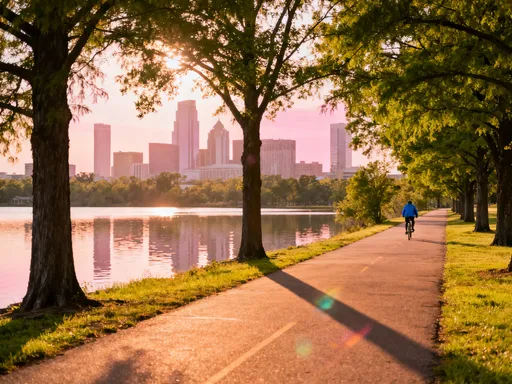
Borisova Gradina, Sofia’s oldest and most beloved park, is often seen as a place for strolls, picnics, and weekend relaxation. But beyond its manicured lawns and flowerbeds, the park contains subtle elevations that offer unexpected views of the city skyline. These vantage points are not marked on maps, nor do they come with railings or signage—but they reward attentive visitors with quiet beauty and a unique perspective on urban-nature integration.
Near the park’s northeastern edge, a gentle slope rises behind the rose garden, leading to a small clearing shaded by tall lindens. From this spot, the eye travels past the treetops to the glass façades of modern buildings in the city center. The contrast is striking: centuries-old trees framing sleek, contemporary architecture, with the mountain ridge forming a distant backdrop. It’s a visual metaphor for Sofia itself—a city where history and modernity coexist in layered harmony. This corner of the park sees few visitors, making it ideal for contemplation or a peaceful break during a busy day of sightseeing.
Other green spaces around the city offer similar rewards. The Tsarigradsko Shose park belt, often overlooked by tourists, includes several elevated walkways and bridges that provide sweeping views of traffic-free green corridors and distant rooftops. Even smaller plazas, like the one behind the Ethnographic Museum, feature benches positioned to catch sunset light and partial cityscapes. These locations may not offer grand panoramas, but they provide something equally valuable: moments of visual delight woven into everyday urban life.
What makes park-based viewpoints particularly appealing is their dual function. They are not just places to look at the city, but spaces to rest, reflect, and recharge. A traveler can enjoy a sandwich on a bench, watch children play, and still catch a glimpse of the skyline between the leaves. This combination of relaxation and visual reward makes green-space viewpoints ideal for family visits, solo travelers, or anyone seeking a slower pace. In a world that often equates travel with constant movement, these spots remind us that sometimes the best experiences come from simply stopping and looking.
Church Bell Towers and Historical Elevations
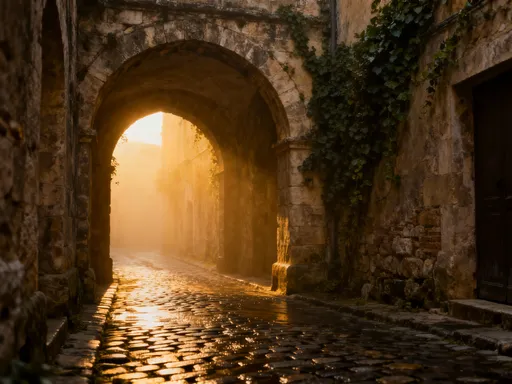
In many European cities, church towers serve as natural observation decks, offering elevated views steeped in history. In Sofia, while access to bell towers is limited, the grounds and surrounding areas of major religious sites still provide meaningful vantage points. These locations combine spiritual atmosphere with visual grandeur, creating moments of quiet awe that go beyond mere sightseeing.
The Alexander Nevsky Cathedral, one of Sofia’s most iconic landmarks, stands on slightly elevated ground, allowing visitors to look out over the surrounding streets and rooftops. While the cathedral itself does not offer tower access to the public, the open plaza around it functions as a natural viewing platform. From the western steps, the city unfolds in a gentle slope toward the business district, with the mountain forming a constant presence in the background. Early mornings here are especially serene, with soft light illuminating the golden domes and few crowds around.
Nearby, the St. Nicholas Russian Church and the Catholic Cathedral also sit in elevated positions within their neighborhoods, offering partial city views from their outer courtyards. These spaces are not designed as tourist attractions, but as places of reverence and community. Visitors are encouraged to observe quietly, move respectfully, and appreciate the surroundings without intrusion. When done mindfully, viewing the city from these sacred grounds becomes more than a photo opportunity—it becomes a moment of connection between place, history, and personal reflection.
The emotional impact of these historical elevations lies in their context. Unlike modern observation decks built for spectacle, these viewpoints are embedded in centuries of worship, resilience, and cultural identity. Standing in the shadow of an ancient church while gazing over a modernizing city creates a layered experience—one that invites thoughts about time, continuity, and the quiet endurance of place. For travelers seeking depth in their journeys, these moments of contemplative viewing offer a rare and lasting reward.
Urban Exploration Done Right: Finding Your Own Spot
While guided recommendations are valuable, some of the most memorable views come from personal discovery. Urban exploration—when done ethically and safely—allows travelers to find their own quiet corners, hidden staircases, and unexpected overlooks. In Sofia, where neighborhoods change character from block to block, this kind of exploration can lead to surprising visual treasures.
The key is to follow ethical guidelines. This means staying on public property, avoiding restricted areas, and never trespassing in search of a better view. It also means being mindful of local residents—keeping noise down, not blocking pathways, and leaving no litter. The goal is not to exploit a hidden spot, but to appreciate it as a shared gift. When travelers respect these boundaries, they help preserve the authenticity and tranquility of the places they visit.
Safe and legal areas for photography and contemplation can be found in residential zones with elevated streets, public staircases, and small plazas on hillsides. The Boyana and Dragalevtsi neighborhoods, for instance, feature winding roads and terraced homes that offer natural viewpoints without requiring special access. Using local maps, photography apps, or community forums can help identify promising areas, but it’s important not to share exact locations that could lead to overcrowding or disturbance. Some secrets are worth keeping—not out of exclusivity, but out of care for the place and its people.
Knowing when to share and when to stay silent is part of responsible travel. A general description—“a quiet street in the hills above the city”—can inspire others without exposing a fragile spot to excess attention. In this way, travelers contribute to a culture of thoughtful exploration, where discovery is balanced with preservation. The joy of finding a hidden view is not diminished by silence; if anything, it becomes more personal, more meaningful.
Putting It All Together: Planning Your View-Focused Day
To fully experience Sofia’s hidden viewpoints, consider designing a day that moves from sunrise to sunset across distinct locations. Begin early with a hike to Knyazheva Cheta on Vitosha’s southern slopes, arriving in time to watch the city awaken under morning light. After descending, pause for a light breakfast at a local café in Boyana before taking public transport into the city center.
By mid-morning, visit Borisova Gradina and explore its elevated corners, particularly the northeastern clearing behind the rose garden. Spend an hour walking, resting, and absorbing the green-city contrast. From there, head toward Slaveykov Square and enjoy tea or coffee on the rooftop of the literary café, taking in the midday skyline from above the streets.
In the afternoon, visit the Alexander Nevsky Cathedral and its surrounding plaza, using the western steps as a natural viewing platform. Walk nearby to the Ethnographic Museum and spend time in the quiet plaza behind it, where partial city views and dappled sunlight create a peaceful interlude. As the sun begins to lower, make your way to a rooftop bar or cultural center with northern exposure—ideally one that allows access without requiring a purchase.
End the day with a return to Vitosha, either by hiking a different trail or taking the cable car to a mid-level station with panoramic terraces. Sunset here is unforgettable: the city lights begin to twinkle, the mountain cools, and the sky shifts through layers of color. This kind of day—structured yet flexible, active yet reflective—offers a complete immersion in Sofia’s hidden visual poetry.
For logistics, rely on Sofia’s reliable bus system and metro lines to connect key areas. Wear comfortable shoes, bring a light jacket for evening breezes, and carry a small backpack with water, a notebook, and a camera or smartphone. A foldable seat pad can make park benches or stone steps more comfortable. Most importantly, allow time between stops—rushing defeats the purpose of seeking stillness and beauty.
Seasonal considerations matter, too. Spring and autumn offer mild temperatures and fewer crowds, while summer provides longer daylight hours for extended exploration. Winter visits require proper clothing and caution on icy paths, but snow-covered Vitosha and a warm drink on a heated rooftop can be equally rewarding. No matter the season, a view-focused day in Sofia reshapes your understanding of the city—not as a list of attractions, but as a living, breathing landscape full of quiet wonders.
Sofia’s true beauty lies not just in its landmarks, but in the quiet moments between them—where the city reveals itself from unexpected heights and angles. By stepping off the main paths, travelers gain more than photos; they gain perspective. These hidden viewing experiences invite deeper connection, slower observation, and genuine discovery. So next time you visit, look beyond the obvious. The best view might be the one no one told you about.